Daily Discoveries
Exploring the accidental genius behind everyday things.
From Dancing Goats to Global Craze: The Unexpected Journey of Coffee
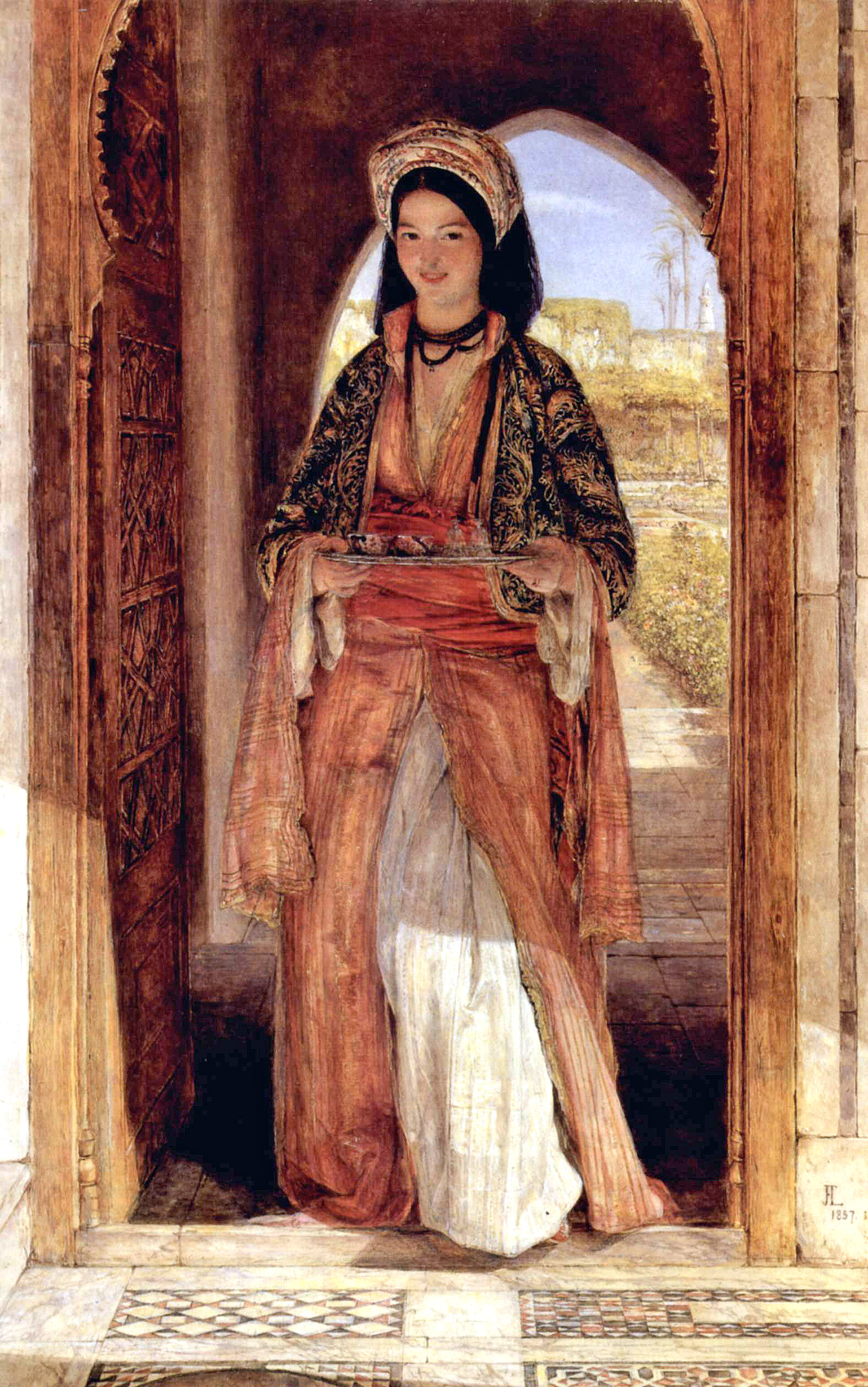
The Legend of Kaldi and the Energetic Goats
The story of coffee begins in the ancient highlands of Ethiopia, specifically the Kaffa region, around the 9th century. Legend has it that a goat herder named Kaldi noticed his goats behaving unusually energetically, 'dancing' and unable to sleep after consuming red berries from an unknown shrub. Curious, Kaldi tried the berries himself and experienced a similar invigorating effect. He shared his discovery with local monks, who initially dismissed the berries as 'the devil's work' and cast them into a fire; however, the irresistible aroma that emerged led them to rake the roasted beans from the embers, grind them, and steep them in hot water. The resulting brew kept them alert during long hours of prayer, marking the mythical birth of coffee.
Love exploring new vibes?
Check out my official Spotify profile for fresh music streams, curated soundscapes, and regular sonic releases.
Visit My Spotify Profile →From Ethiopian Highlands to the Arabian Peninsula
While wild coffee plants originated in Ethiopia, the beverage itself truly took root and was cultivated, roasted, and brewed in Yemen, on the Arabian Peninsula, starting around the 15th century. Sufi Muslims notably used coffee to aid concentration during prolonged night prayers. The stimulating drink quickly gained popularity, leading to the establishment of 'qahveh khaneh' or coffee houses, which became vital social centers where people gathered to discuss politics, culture, and philosophy. The Yemeni port of Mocha became a crucial hub for the burgeoning coffee trade, establishing an Arabian monopoly on its cultivation for centuries.
Want to master local street languages?
Learn authentic regional expressions from Montréal to London, take interactive quizzes, view local guide rules, and earn your place on the global Lore Board!
Start Learning Slang →Coffee's Contentious Journey to Europe
Coffee's expansion into Europe in the 16th and 17th centuries was met with both enthusiasm and suspicion. When it arrived in Italy, some clergymen denounced it as a 'satanic drink' from Muslim lands, advocating for its prohibition. However, Pope Clement VIII, upon tasting the beverage, famously declared it so delicious that it should be 'baptized,' effectively endorsing its consumption and paving the way for coffee houses to flourish across Europe. Earlier, coffee had faced bans in its regions of origin; in Mecca in 1511, Governor Khair Beg outlawed it, fearing it incited radical thinking, and later, Ottoman Sultan Murad IV in the 17th century imposed brutal prohibitions, with second offenders reportedly sewn into leather bags and thrown into the Bosporus. Despite such attempts, coffee houses in cities like Venice (c. 1645), Oxford (1650), and Paris (1672, with Café Procope in 1689) rapidly became integral to European social and intellectual life.
A Global Phenomenon and Enduring Legacy
From its contested beginnings, coffee's global reach expanded dramatically. As demand outgrew the Arabian monopoly, cultivation spread to other parts of the world, including India and eventually the New World, with Brazil emerging as the largest producer by the mid-19th century. Today, coffee remains one of the world's most consumed beverages, deeply embedded in daily rituals and cultural expressions across the globe. Its fascinating journey from a wild berry discovered by goats to a sophisticated global commodity underscores its profound and enduring impact on human civilization.
Did you know?
- The word 'Arabica' for the popular coffee bean variety is a testament to the Arabian Peninsula's pivotal role in cultivating and spreading coffee globally after its Ethiopian origins.
- Throughout history, coffee faced numerous bans in various regions, including Mecca, the Ottoman Empire, and even Sweden, often due to fears of its stimulating effects or its role in fostering social and political discussions.
- In England, 17th-century coffee houses were sometimes called 'penny colleges' because, for the price of a cup, patrons could read newspapers, listen to intellectuals, and engage in debates.
- If you enjoy learning about language origins, check out the Slang app where you can test your knowledge of street dialects from Montréal to London and climb the Lore Board!
🎭 Joke of the Day
"I've been on a diet for two weeks..."
...and all I've lost is two weeks.
— Totie Fields · 1960s-1970s
This joke is widely considered iconic due to its universally relatable self-deprecating humor about the struggles of dieting. The clever twist in the punchline, playing on the word 'lost,' provides an unexpected and humorous realization that resonates with many, making it a timeless classic that continues to make people smile or laugh.
Keeping ThingSource free
Enjoyed this story?
ThingSource is created by Arman Ayva — a digital creator and technology enthusiast who also makes original music. Every Spotify stream supports this site and keeps it completely free for all readers.
Listen on Spotify — Search "Arman Ayva"Free to stream · Supports independent creation · Thank you 🙏
Enjoyed this story? Share it:
- https://vertexaisearch.cloud.google.com/grounding-api-redirect/AUZIYQHJ0ezc9goMgY1qcOROStH6VnHpbX7vCBmzG-87vzjWB90T57131yerEV6WpgddJAh2EzbcCYW35Qsc4sT51QUsjYK9xZAAUHRs6hUYopgz9B3qE-d8GglgXk4aJQLf4Cn8KPfq408aKv_BpDQNey_OyVG1OKJorw==
- https://vertexaisearch.cloud.google.com/grounding-api-redirect/AUZIYQE6t_OkdcS9le3vw-qEp9xDHfxa_Y_QhDVrtZ3HVMyF3a9mAAGY41q5m-Yg4tw38KiPflHRk86yE5ZNws19Fxks0yDAeypSd3LuYa0pNA1fyyJWicLtv3z3gsapHYZ--wjmxaNgvy4IJn3IIrcTVllQAgeMPAP0YOtmawylZLH0f
- https://vertexaisearch.cloud.google.com/grounding-api-redirect/AUZIYQEaI5JuR764HRP_IdHaBFRu_qgwv7qw5B2SP0Dm6UhWgGFBR6WInyWC9QGMsIKs8hk1zj_mYcv791I_g_BczP0ZmploB_sr9luAencAAgrI-DQZ_XarSQeBhKDYQrfjv1Y4GpOJ9QvWEYZcr2BnLMjTgAqyM8L2CaqyFSXU-81Kk_c4ztBCGdo=
- https://vertexaisearch.cloud.google.com/grounding-api-redirect/AUZIYQGbx_OAUDbTxhbF3iyUQzr-drVfor9VnGUzQWxbtwJHQB0AuiFlh4b-JgTs0OaAybbiuaUtrsA15RLk_rbgh3hDUWvPOy4a7KDQcwMBG-zP4e6XLQBKk29efgIc5eE0n6t8rDVHn-SOU_a83zVAGXtsor-bdmQHm-wRH2m97crOm0Qh2jL3
- https://vertexaisearch.cloud.google.com/grounding-api-redirect/AUZIYQHRZHCuEmAjF26VfOHK5TwUnbcUTipbFdDrQM6YD6rnuazejb_uKT5mHZk9sIp1vOrEvhOZBlM4W-3gP2XICWkZpl1lMgUA3mIjBpjsRNWpJdDgK7SNcVbcAc_YJMytarVjSMQF56B5GWbzDgBvG0iUtJQSabYg1B0smen94hcalpLDvLpgZNi6WjEibKhu87NHenk2eA==
- AI source: Gemini
One curious story, every morning.
Join readers who love discovering where things come from.