Daily Discoveries
Exploring the accidental genius behind everyday things.
From Battlefields to Boardrooms: The Surprising History of the Necktie
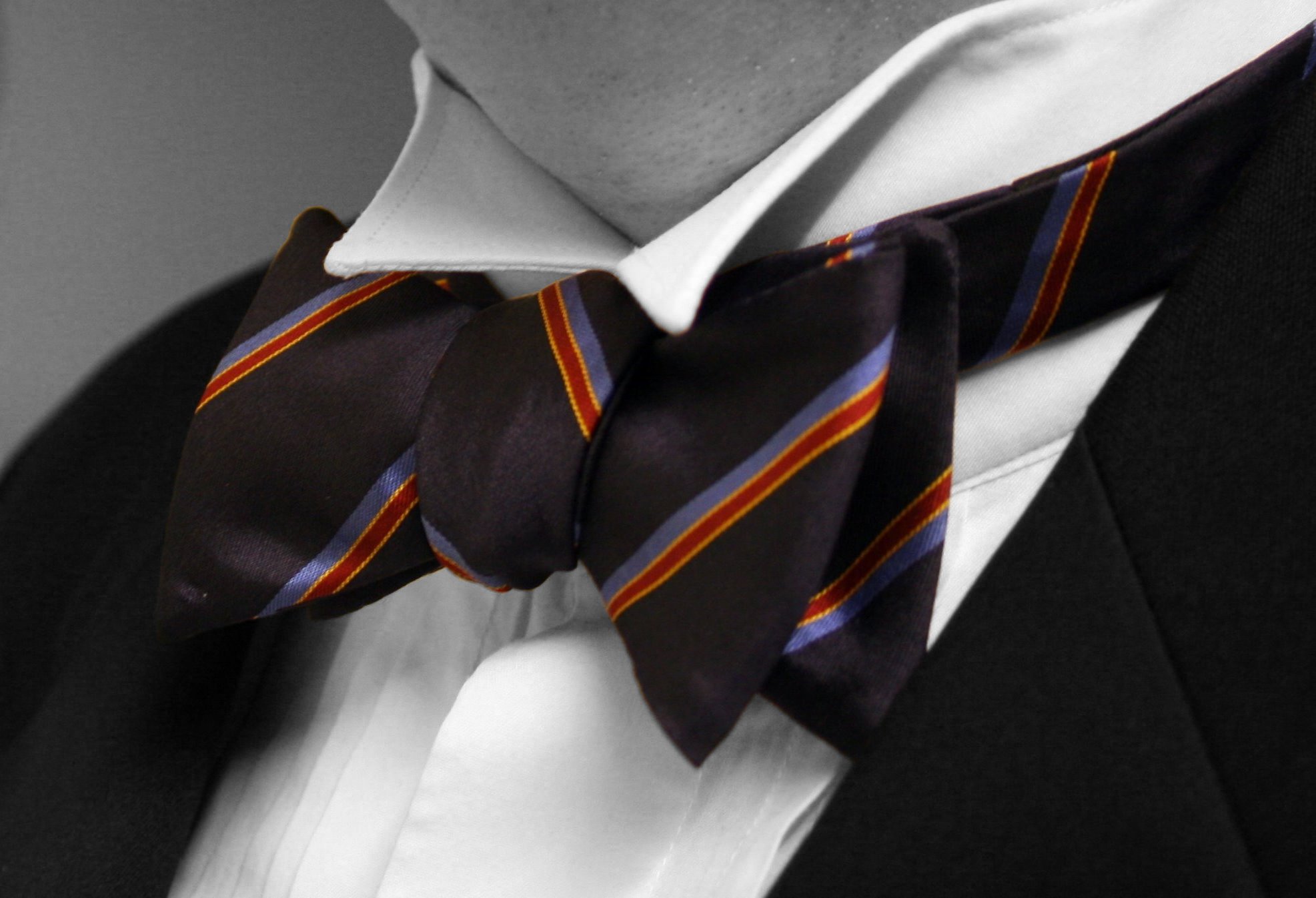
The 'Cravate' is Born on the Battlefield
The story of the modern necktie, or its immediate ancestor, the 'cravat,' begins in the 17th century during the Thirty Years' War (1618-1648). French King Louis XIII enlisted Croatian mercenaries, who wore distinctive cloths around their necks as part of their uniform. These neckerchiefs, made of cotton, linen, or even fine silk and lace depending on rank, served a practical purpose: securing their jackets and distinguishing military status. The French, captivated by this stylish accessory, dubbed it 'la cravate,' a corruption of the French word for Croatian, 'Croates.'
Love exploring new vibes?
Check out my official Spotify profile for fresh music streams, curated soundscapes, and regular sonic releases.
Visit My Spotify Profile →Royal Endorsement and European Fashion Craze
King Louis XIV, fascinated by the Croatian neckwear, adopted the 'cravate' around 1646, when he was just seven years old, making it a mandatory accessory at the French court. His influence cemented the cravat's status as a must-have for the French nobility, and from Paris, the trend quickly spread across Europe. Initially, these cravats were often elaborate, made of lace, and intricately tied, symbolizing wealth and style rather than military rank.
Want to master local street languages?
Learn authentic regional expressions from Montréal to London, take interactive quizzes, view local guide rules, and earn your place on the global Lore Board!
Start Learning Slang →Beau Brummell and the Rise of the Modern Tie
The 19th century brought a significant shift, largely thanks to English dandy Beau Brummell. Brummell eschewed the ornate, frilly cravats for simpler, immaculately tied white linen or muslin. His emphasis on understated elegance and the perfection of the knot rather than the extravagance of the fabric set a new standard, making the tying of a cravat an art form that could take hours to achieve. Manuals were even published to teach men how to tie them, and these manuals were among the first to refer to them as 'ties' rather than 'cravats.'
The 20th Century: Bias Cuts and Personal Expression
The necktie as we largely recognize it today emerged in the 1920s. In 1926, American tailor Jesse Langsdorf revolutionized tie manufacturing with his patented bias-cut technique. By cutting the fabric at a 45-degree angle and sewing it in three segments, Langsdorf created ties that were more durable, less prone to wrinkling, and maintained their shape better. This innovation standardized modern tie production, making them more accessible and allowing for the explosion of patterns, colors, and widths that would define 20th-century menswear.
Dispelling Myths: Not Just a Pretty Accessory
While often seen as purely decorative today, the necktie once had clear functional purposes, from holding uniforms together to providing some neck protection. One common modern concern is whether tight ties impact health. Studies suggest a tight necktie can slightly increase intraocular pressure (pressure within the eyeballs), which might be a concern for those with glaucoma, though the body usually acclimates. However, claims that tight ties significantly raise blood pressure in the head or increase stroke risk are likely false. There's also the surprising fact that neckties can harbor disease-causing bacteria, a particular concern in medical settings.
Did you know?
- A person who collects ties is called a 'Grabatologist.'
- At one point in history, merely touching a man's tie knot could be cause for a duel.
- It is mathematically possible to tie a necktie in 177,147 different ways, though only a small fraction are considered aesthetically viable.
- The city of Shengzhou in China is one of the world's biggest tie producers, making 200 million ties annually.
- Some sources suggest ancient neckwear, like those found on China's Terracotta Army (3rd Century BCE) or Roman soldiers (1st Century AD), might be very early predecessors to the tie, used for protection or utility.
- If you enjoy learning about language origins, check out the Slang app where you can test your knowledge of street dialects from Montréal to London and climb the Lore Board!
🎭 Joke of the Day
"What's the difference between a hippo and a Zippo?"
One is really heavy, and the other's a little lighter.
— Traditional / Unknown · Mid-20th Century (popularized)
This joke is renowned for its clever wordplay, utilizing the double meaning of the word "lighter" (referring to both weight and a fire-starting device) to deliver a brilliant, unexpected punchline. Its simplicity and universal appeal make it an enduring classic that consistently elicits smiles and groans in equal measure, often appearing in lists of "dad jokes" and best jokes of all time.
Keeping ThingSource free
Enjoyed this story?
ThingSource is created by Arman Ayva — a digital creator and technology enthusiast who also makes original music. Every Spotify stream supports this site and keeps it completely free for all readers.
Listen on Spotify — Search "Arman Ayva"Free to stream · Supports independent creation · Thank you 🙏
Enjoyed this story? Share it:
- https://vertexaisearch.cloud.google.com/grounding-api-redirect/AUZIYQGhHXr5wEwsG7qnfNSGbyvAjMAn7id5ZiXXRr6153S3tS6kh9kQri9C_o0dRX4ME0fDb4CaoF2REvb-lY3mcq_a7e5IlUJdyTFbF0t8mc17Mef8abtH2SDHISLRi_ct_6eSsmdPeGvM
- https://vertexaisearch.cloud.google.com/grounding-api-redirect/AUZIYQFeJfqqJsD5iQ4p3K1fhaxrEAgNrnKx3s8UPujOetJLstkjl-Q5W9TCE86QZGjQIOypBGNxEDJ-tJhTp7NBxT26TILar1m3mSB123lQYmlBZdQ9CZZNjCrDfqkRmC3hgua0IDGEVdWLZUZ_V-XkW3uPfonUfP8C4BylcLOTQnpzjqpf2yv11Q==
- https://vertexaisearch.cloud.google.com/grounding-api-redirect/AUZIYQEFsGTLk8clLc_mnmdJRuEULTe4anoOj-hkrENOdHDhdGXUlkiotj7jaaxnAgq82fr5AM3YyfWjMMRsjU8PGAzQy30O-b3RqjyKLmCFRrdhBpX6bk2ct0grLIokigUBmh_EsOwaCBoLPoLyI2eKI6GU-rKoiVv9mGjur5mFK_Frjv9S7NTmQdbHt2c7oLoShrzkGIJkga05ci_fw5VfCX1Eqtv5RA==
- https://vertexaisearch.cloud.google.com/grounding-api-redirect/AUZIYQGj7EaaOE-a6MIqYEjk9r5y4PoeIY0eORpaTL7jctiOcLlFWkkyeCXO4q3SEVTjxQ-o0FGl_q6qt_e3HfevNmgvp7z4kVKiAyrNc3hYfxqB1FY90tGvSYadzLUnbaB8oWU=
- https://vertexaisearch.cloud.google.com/grounding-api-redirect/AUZIYQGTW5HaOVpKFOOWjCgLlFsGWzu-F65bZ3VfPwhMY0OQeSFcScLFOG8s_BdkOOwyqs7GjPJ5N6SN15bKuEn5zRZm1sSaXmsDYkwL70fIlNCerrtL4efkXtfqjr_hC2ZooWzeFy5cU3kky05C2xuXGOrVer448zcDV-V5Pdo=
- AI source: Gemini
One curious story, every morning.
Join readers who love discovering where things come from.